The rabi season is the shorter of the two main crop seasons in India but by no measure it is any less important than the longer kharif season. The primary crops for this crop cycle are wheat, barley, mustard, and peas etc, providing not only food security to the country but also financial stability to millions of farmers. However, the shorter duration of the rabi season does not mean factors like unpredictable weather patterns, pest attacks, and other risks do not impact it, hence, safeguarding
Is Fasal Bima Yojana India’s largest crop insurance scheme?Farmers today search for one clear answer: Is Pradhan Mantri Fasal Bima Yojana (PMFBY) India’s largest crop insurance scheme? With rising weather risks, pest attacks and sudden crop loss events, understanding PMFBY’s coverage, benefits and claim process has become essential. This guide explains PMFBY benefits, premium rates, coverage percentages, why it is considered India’s biggest crop insurance scheme and how farmers can easily enrol
Farmers across India depend heavily on Rabi crops like wheat, mustard and gram. But frost, hailstorms and sudden rain can destroy an entire season’s harvest within hours. The Pradhan Mantri Fasal Bima Yojana (PMFBY) provides farmers with affordable and comprehensive crop insurance to protect against such losses. This guide explains how PMFBY supports Rabi farmers, what losses are covered, which crops are eligible, and how farmers can apply easily. With climate risks rising every year, PMFBY has
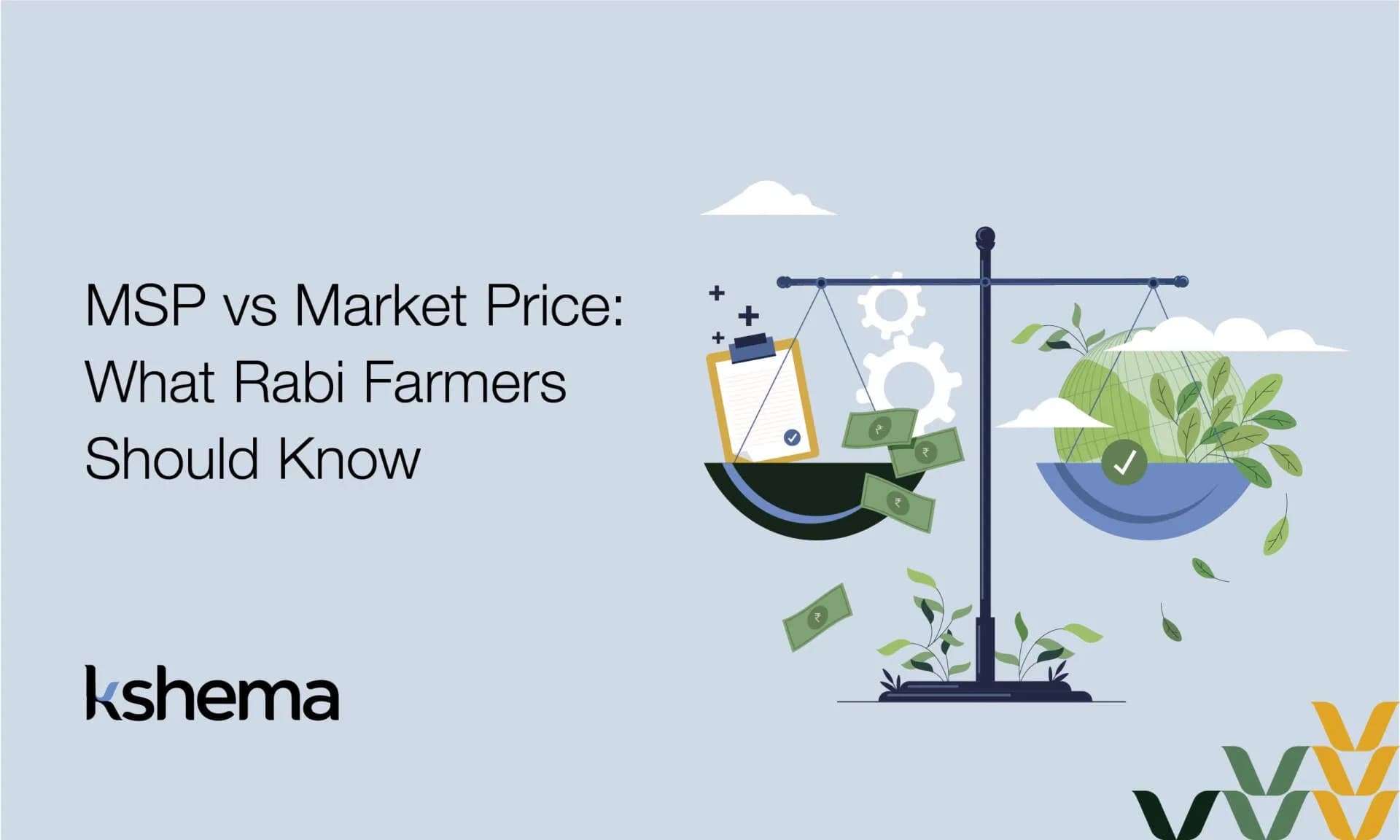
Key Takeaways: Rabi MSP vs Market PriceMSP (Minimum Support Price) is a government-fixed rate ensuring farmers earn a minimum return.Market Price fluctuates based on demand, supply, and local conditions.MSP provides stability and risk protection; market price offers profit opportunities but with volatility.Check official MSP rates for Rabi crops on https://pib.gov.inPress Information Bureau.IntroductionRabi MSP (Minimum Support Price) is the government-fixed rate for crops like wheat, barley, an
Introduction:Organic Rabi farming is becoming essential for farmers looking to reduce input costs, improve soil health and grow chemical free crops during the winter season. As temperatures drop and rainfall becomes scarce, Rabi crops need careful soil preparation, organic inputs and efficient smart irrigation. This guide explains the key practices, suitable crops, major risks and income protection options that help farmers succeed with organic Rabi farming in 2026.Understanding Organic Rabi Far
IntroductionSustainable agriculture helps Rabi farmers save water, protect soil and reduce input costs while improving productivity. With crops like wheat, mustard and peas needing careful water and soil management during winter, sustainable agriculture ensures long term soil health and stable yields. This guide shares simple, farmer friendly sustainable agriculture tips for the Rabi season that help farmers grow more with fewer inputs and build climate resilient fields. Learn how toprotect crop
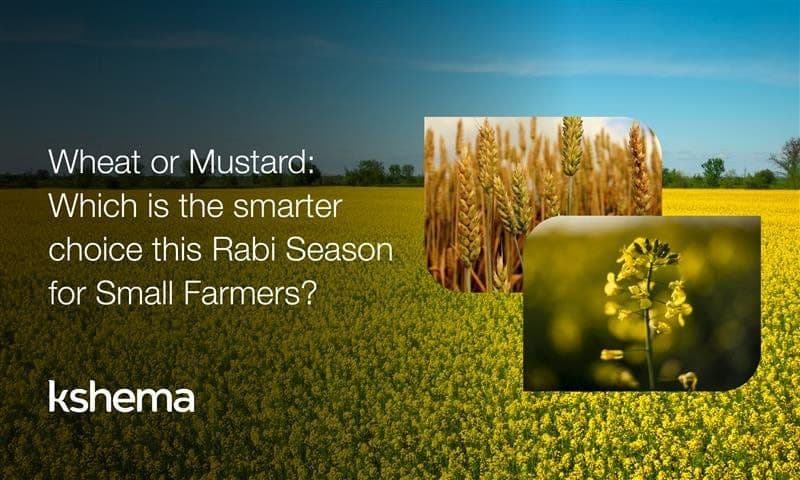
IntroductionChoosing the right winter crop can directly influence a small farmer’s earnings. Many farmers first look for “Mustard is Rabi or Kharif crop” before planning their Rabi season. Wheat and mustard are both important Rabi crops, but they differ in climate needs, cost, MSP support and risk. This guide explains the correct season for mustard, compares mustard with wheat, and helps small farmers choose the most suitable crop for their region and resources.The Rabi season is the second crop
Why PMFBY is Essential for Kharif and Rabi Seasons: A Complete GuideIntroduction:PMFBY Kharif and Rabi crop insurance rules differ based on season, crop type, and state-level notifications. The coverage, premium rates, and risks insured under the scheme vary for Kharif and Rabi seasons depending on notified areas.This page explains crops covered under Kharif and Rabi, applicable premium rates, major seasonal risks, and key differences farmers should understand before enrolling.The Pradhan Mantri
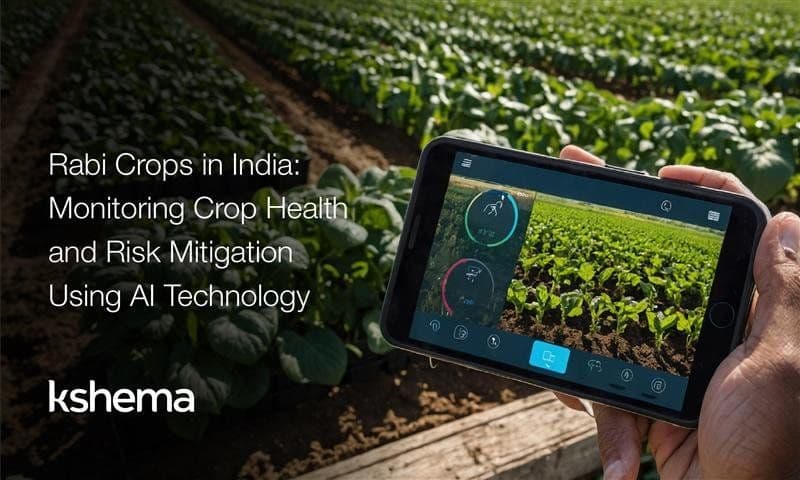
Rabi Crops in India: How AI Technology is Transforming Farming and Risk ManagementIntroduction:The Rabi season plays a vital role in India’s annual agricultural output. Rabi crops like wheat, mustard and pulses are vital for India’s winter farming season, but challenges such as irrigation delays, weather changes and pest outbreaks still affect productivity. With AI tools becoming more common, AI technology in agriculture has emerged as a game-changer in monitoring crop health in real time and ma
Introduction:Rabi crops are winter-season crops grown after the monsoon, usually sown between October and December and harvested from February to April. Many farmers know the basics, but are unsure which Rabi crops give the best yield, highest profit or suit low-water conditions. This 2026 guide explains Rabi season months, crop examples and the top 5 best Rabi crops so farmers can plan sowing correctly and reduce risks.Also read: Difference between Kharif and Rabi crops for a clear understandin
How to Prepare Your Field for a Successful Rabi Crop Season in IndiaIntroductionProper rabi season preparation helps farmers improve yield stability and reduce crop loss. Successful farming starts with proper planning.As the Rabi season approaches, Indian farmers need to focus on soil health, seed selection, and irrigation strategies. This guide provides a step-by-step approach to preparing your fields for a productive season, ensuring better yields and reduced risks.As temperatures dip and skie
IntroductionRabi crops rely on cool weather, light irrigation and stable winter temperatures. But today’s changing climate brings unexpected frost, unseasonal rain and sudden weather swings that put farmers’ income at risk. This blog explains how climate risks affect Rabi crops, why Rabi crops insurance is now essential, and how the right coverage can protect farmers from financial losses during the 2026 season.What Are Rabi Crops and Why Are They at Risk?Rabi crops such as wheat, barley and mus